Vetiver Cultivation: Planting, Harvesting and Root Processing
Understand vetiver establishment, soil and drainage needs, root harvesting, cleaning, distillation and the economics of producing vetiver oil.
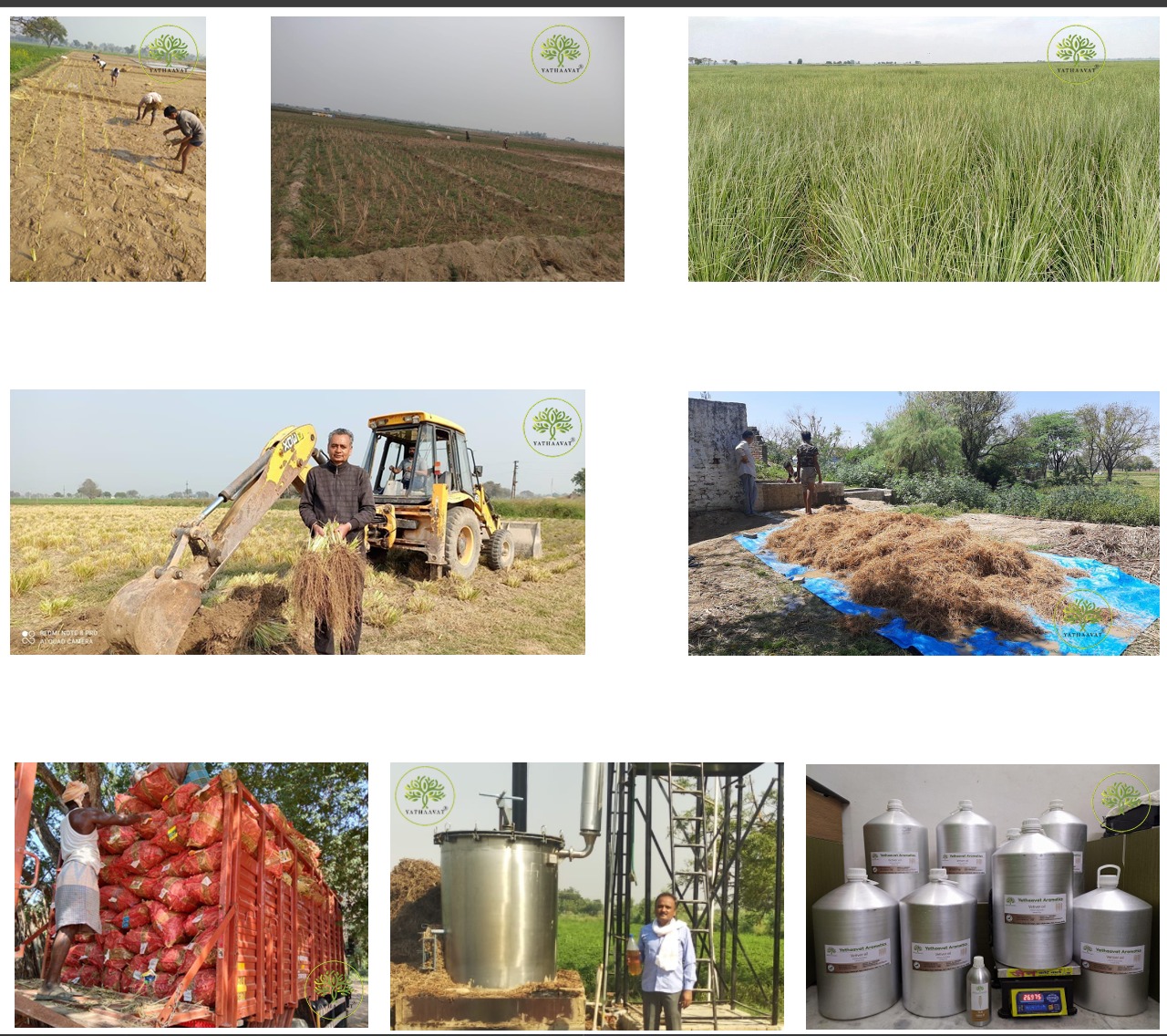

What makes vetiver different
Vetiver (Chrysopogon zizanioides) is a perennial grass widely recognized for its dense root system. In fragrance supply chains, the roots, not the leaves, are the key material for producing vetiver essential oil. That one detail changes the entire farm model. Growers must account for root development, digging, cleaning, drying or conditioning and a comparatively demanding distillation process.
Vetiver is also used in soil and water conservation contexts. Those applications should not be confused with commercial oil cultivation: planting density, management objectives and the expected product may be different.
Choose planting material for the intended purpose
Confirm the botanical identity and provenance of the planting material. Commercial oil production requires a management plan and material suited to that objective. Ask the nursery or agronomic adviser about cultivar or accession characteristics, local field performance and likely maturity under the intended conditions. A label reading 'vetiver' does not establish oil quality or economic suitability.
Vetiver is often valued for its resilience and root architecture, but establishment still depends on suitable soil moisture, drainage and weed management. Local site conditions should determine planting arrangements and irrigation. Before planting, verify that mechanized or manual root harvesting will be feasible on that soil.
Establishment and field management
Prepare a well-structured field and use vigorous, healthy planting material. Protect young plants from competition and manage water according to soil and weather conditions. Avoid making fertilizer recommendations without soil-test context. Root growth and the final harvestable mass can be influenced by duration in the field, plant density, nutrition and the physical characteristics of the soil.
Keep records of establishment date, survival rate, irrigation, major weather events and sampled root growth. A grower planning to harvest for oil should also consider how digging affects future land use and the labor required for cleaning the roots.
Harvesting vetiver roots
Unlike leafy aromatic crops, harvesting vetiver for oil can be labor-intensive because the economically relevant material is underground. Roots must be lifted, separated from soil and non-target material, and handled to avoid unnecessary contamination or loss. The ideal maturity varies by production system and oil quality objectives; harvesting too soon may reduce output, while longer durations affect capital commitment and root handling.
A practical harvest plan includes digging labor or equipment, collection containers, water for washing where appropriate, sorting surfaces and transport to the distillation site. Measure harvested root mass separately from soil and other material so that oil recovery calculations have a meaningful denominator.
Root handling and distillation
Root material commonly requires cleaning and conditioning before distillation. Excess soil adds weight without producing oil and can disrupt processing. Excessive or uncontrolled drying, however, may change the aromatic profile. The appropriate handling protocol should be defined by the distiller and aligned with the intended specification.
Vetiver root oil may require longer and more specialized distillation than many leaf oils. Process parameters depend on the still, root condition and desired recovery. Do not copy a fixed number of hours or a guaranteed yield from an unrelated facility. Record the actual root charge mass, condition, extraction duration, recovered oil, sensory observations and analytical results.
The economics of a longer crop cycle
Vetiver economics should be calculated over the whole cultivation and processing period, not simply by multiplying a quoted oil price by a claimed per-acre yield. Include planting, land occupancy, irrigation, weed control, digging, washing, handling, energy, equipment, testing, finance and packaging. If output is delayed, consider the financial cost of capital tied up in the field.
The oil's accepted grade, appearance, aroma and chemical profile influence its commercial value. Buyers may have different preferences depending on fragrance application. Market a confirmed batch specification rather than describing every vetiver oil as interchangeable.
Pilot before expansion
Trial a representative plot and distill a measured batch with a facility capable of handling vetiver roots. Compare the actual cost and accepted oil output against the original estimate. The pilot should answer four questions: can the crop grow reliably here, can the roots be recovered efficiently, can the oil meet a buyer's specification, and does the full-cycle margin justify expansion?
Frequently asked questions
Are vetiver leaves used to make the commercial root oil? No. Commercial vetiver root oil is associated with the roots; leaf biomass has different uses and should not be counted as oil-bearing root mass.
Is vetiver always easy to grow? Its adaptability is useful, but establishment, root harvesting and processing still require careful planning.
Why can vetiver processing be expensive? Root collection and cleaning, challenging feedstock handling and extended distillation can create substantial labor and energy costs.
Explore Yathaavat's vetiver crop estimates as a planning reference and confirm feasibility with an experienced local root-oil distiller.
Related Articles
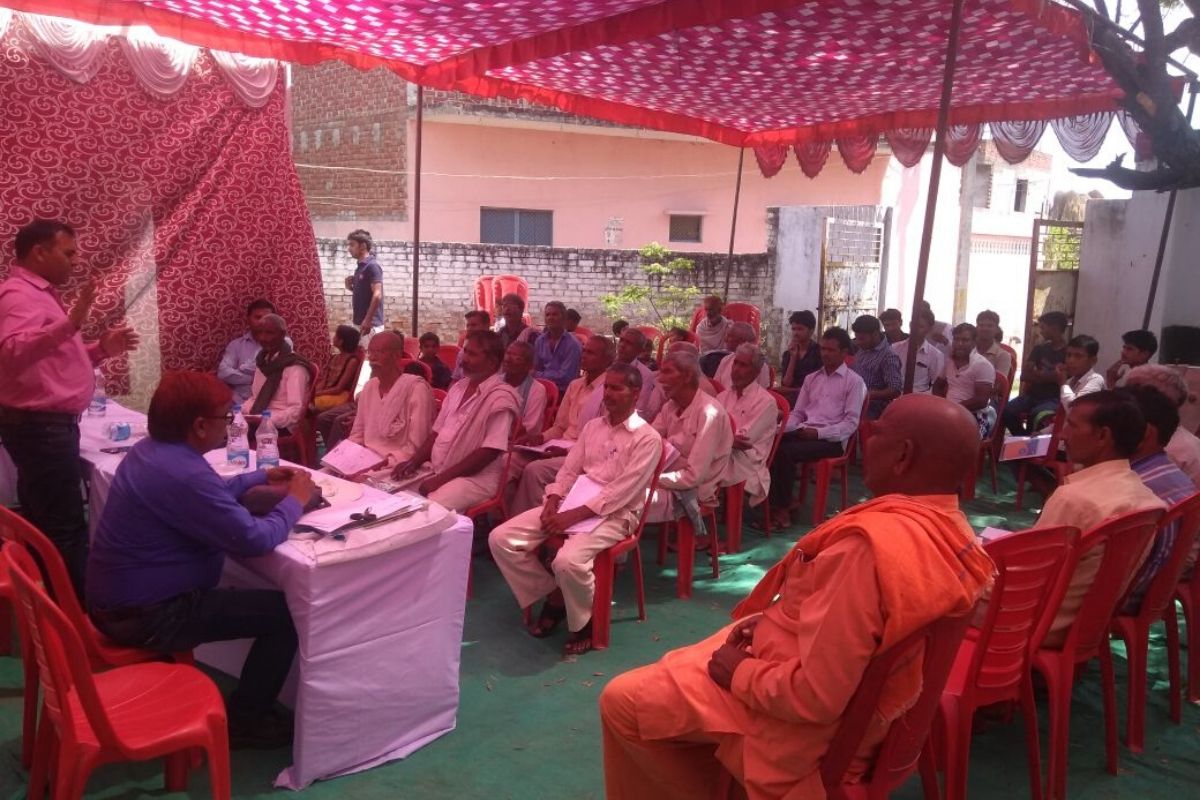
Sustainable Farming Practices in Cultivation of Aromatic Crops in India
Sustainable farming is shaping the future of India’s aromatic crops. Through crop rotation, organic fertilizers, pest management, and water conservation, farmers can boost essential oil yield while protecting nature. At Yathaavat Solutions, we blend traditional wisdom with science to deliver pure, natural, and traceable oils with sustainable impact.
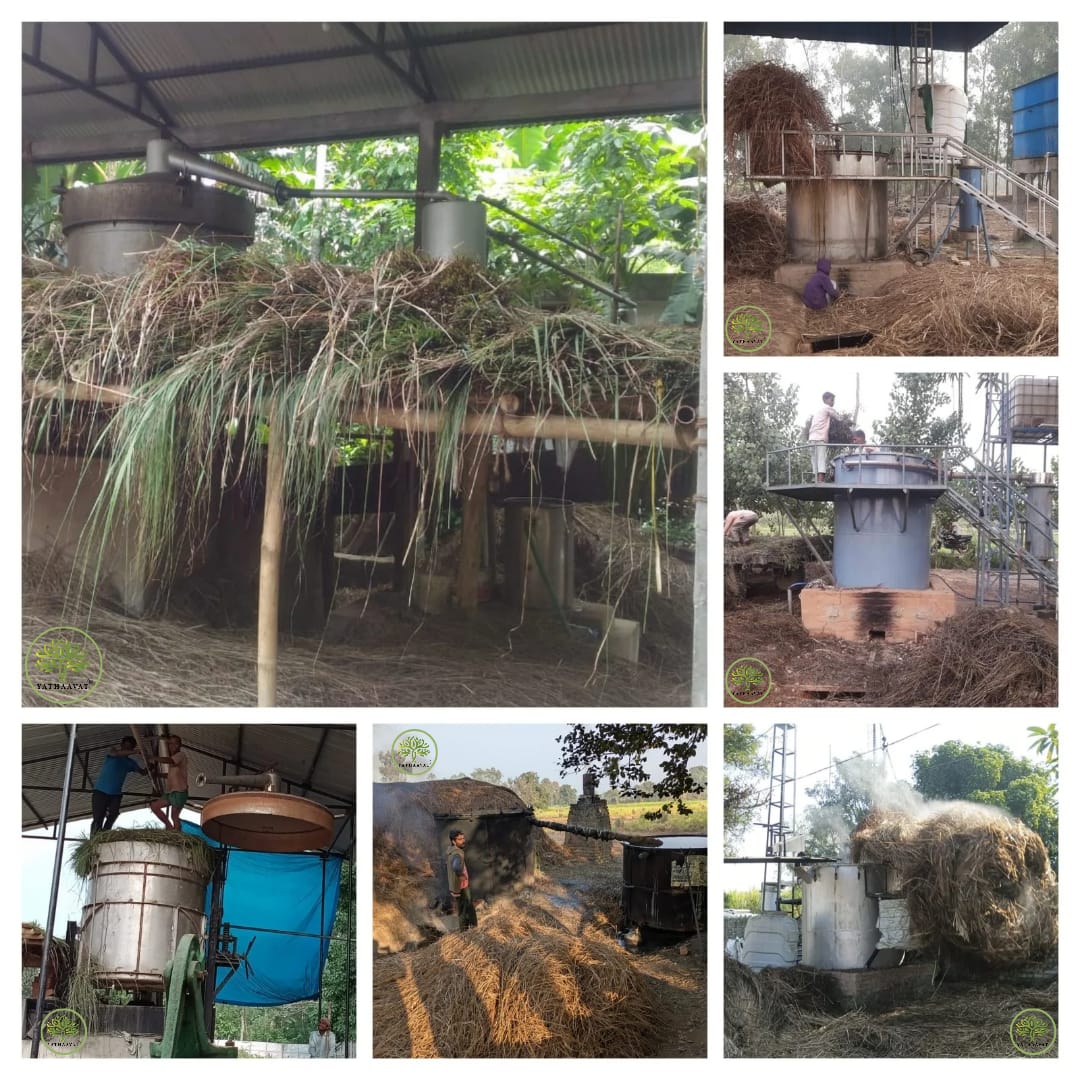
Lemongrass Farming in India: Cultivation, Costs and Yield
Learn how to plan lemongrass cultivation in India, from soil and planting to harvest, distillation, costs and oil-yield uncertainty.
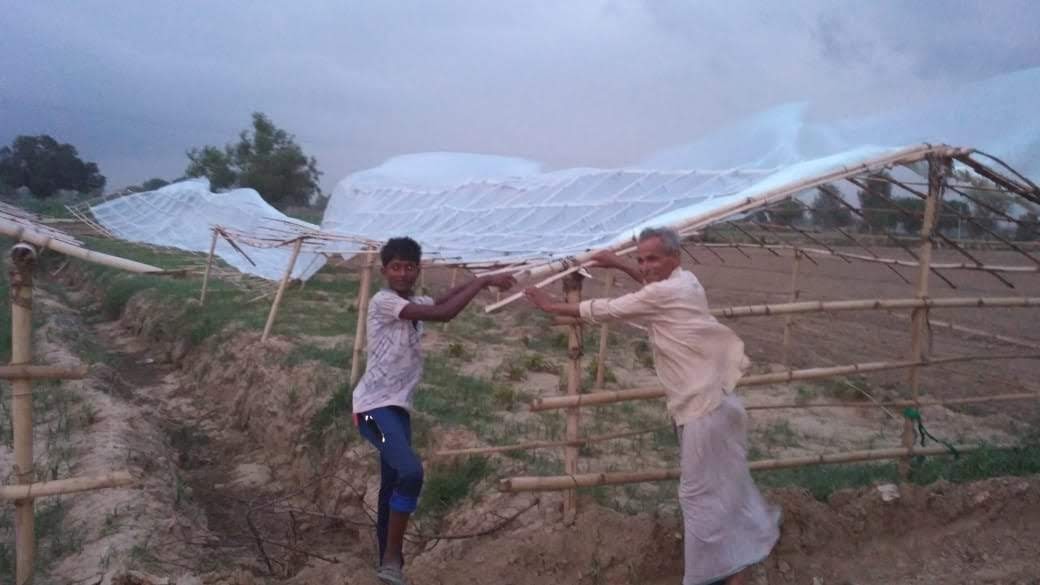
Most Profitable Aromatic Crops in India: A Comparative Guide
Compare aromatic crops in India using climate fit, cultivation costs, oil recovery, processing access, price risk and realistic profit scenarios.