Lemongrass Farming in India: Cultivation, Costs and Yield
Learn how to plan lemongrass cultivation in India, from soil and planting to harvest, distillation, costs and oil-yield uncertainty.
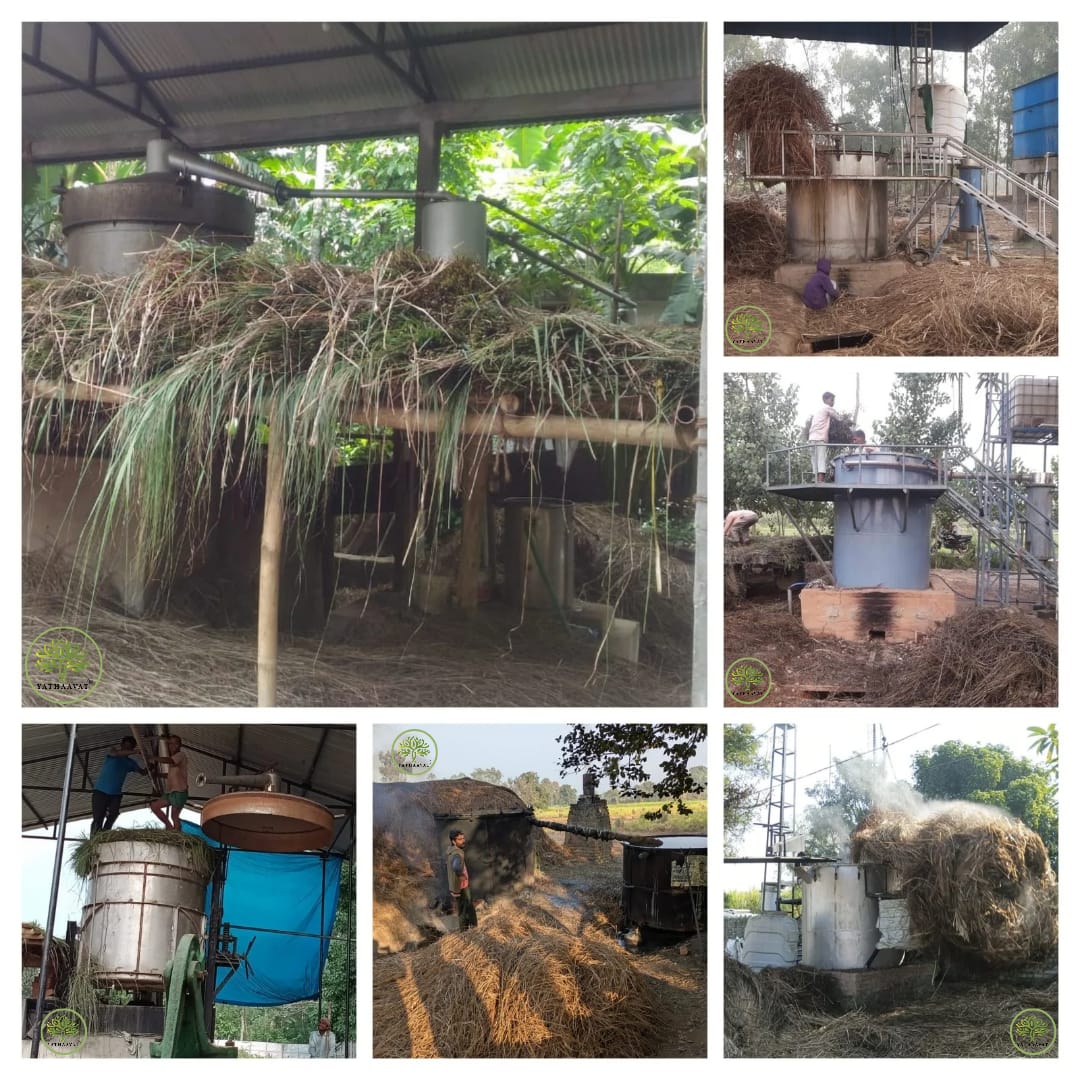

Why lemongrass attracts growers
Lemongrass is an aromatic grass cultivated for its leaves and the essential oil recovered from them. In India, it appeals to growers who want to diversify beyond conventional food crops, particularly where a nearby distillation service or a reliable buyer exists. The crop can be harvested more than once after establishment, but it is not a guaranteed higher-income alternative: market access, planting material, water, labor, transport and recovery efficiency decide its economics.
Before selecting land, identify the botanical material being supplied. Different Cymbopogon species are marketed under similar common names, and their oil profiles and buyer applications can differ. A commercial farmer should align the species and cultivar with the intended oil specification rather than choosing only on the promise of a high yield.
Choosing the location and preparing the field
Lemongrass generally performs best with good sunlight and soil that drains well. Standing water can damage roots and disrupt establishment. Soil texture, rainfall distribution and summer temperatures affect the final management plan, so conduct a soil test and ask a local horticulture or aromatic-crop specialist to assess suitability. Drainage, access roads and distance to a distillation facility are as important as land fertility.
The field should be cleared of persistent weeds and prepared to support good root establishment. Use planting material from a traceable nursery or an experienced producer; damaged, mixed or diseased slips create an uneven crop from the first season. Confirm the plant population, spacing and timing appropriate to the selected cultivar rather than copying a universal number from the internet.
Planting and managing the crop
Plant when adequate moisture is available for establishment, avoiding periods of waterlogging. Irrigate to support rooting and later regrowth, but use local rainfall and soil moisture to make decisions. Fertilization should be guided by soil analysis and expected nutrient removal rather than an arbitrary chemical schedule. Maintain weed control especially while the grass is young, when competition can reduce the eventual stand.
Inspect plants regularly for uneven growth, leaf injury and patches of poor drainage. Record dates of planting, irrigation, fertilizer applications and visible problems. These records make the next harvesting cycle more predictable and also help explain unusual oil-quality or yield results to a buyer.
Harvesting and the distillation constraint
Harvest timing involves a balance between leaf biomass, oil content, quality and labor availability. Cutting earlier may reduce the mass available, while delaying can change the quality profile and reduce the number of feasible cycles. There is no universally optimal cutting date. Agree on a harvest window with the distiller and test a small representative batch if possible.
Fresh leaves should move through an appropriate handling and distillation process promptly. Excessive storage, heating or uncontrolled drying can change material quality. The distillation operator should record the fresh charge weight, process time, oil recovered and batch identity. A harvest without distillation capacity is a serious commercial risk: biomass is bulky and can lose value while waiting.
Calculate yield without pretending the result is certain
A useful first-pass oil estimate is: estimated oil mass = fresh biomass mass x measured or assumed recoverable oil percentage / 100. If a hypothetical batch of 1,000 kg fresh material recovers 0.3% oil by mass, the arithmetic result is 3 kg of oil. This is a calculation example, not a benchmark or promise for an Indian farm.
Build low, middle and high scenarios using locally observed biomass and laboratory or batch recovery data. Keep a separate line for oil rejected or discounted due to quality problems. Do not mix annual totals with single-cut totals. When a perennial crop is expected to produce multiple harvests, model each cut independently because weather, management and regrowth can vary.
Understand the cost structure before investing
A realistic budget includes planting slips, land preparation, irrigation installation and running costs, soil amendments, fertilizer, weeding, harvesting labor, transport, distillation fuel or service charges, quality testing and storage. Include the cost of replacing failed plants and the opportunity cost of the land. If distillation is charged per batch, small harvests may be disproportionately expensive.
Compare at least three pricing cases: a confirmed contracted buyer price, a more cautious market price and a low-price stress case. Also ask what happens if oil fails the required specification or payment is delayed. The resulting model is far more informative than a single 'profit per acre' claim.
A sensible first-season decision
Begin with a modest pilot area if you lack reliable local production and buying history. Confirm botanical identity, inspect the available distillation facility, and request written purchase expectations rather than relying solely on verbal quotations. Scale only after recording actual harvested biomass, recovered oil, laboratory quality, total cost and net receipts over a full production cycle.
Frequently asked questions
Is lemongrass a low-maintenance crop? It may require different inputs from conventional crops, but establishment, weed management, harvest coordination and distillation remain substantial operational work.
Can every lemongrass variety produce the same oil? No. Species, cultivar, growing conditions and processing affect the chemical profile. Buyers may have specific compositional requirements.
How much profit should a farmer expect per acre? There is no defensible universal figure. Profit requires farm-specific output, quality-adjusted price, full costs and access to processing and buyers.
Estimate a crop scenario using Yathaavat's biomass and oil-yield calculator, then compare it with a local agronomist's advice before planting.
Related Articles
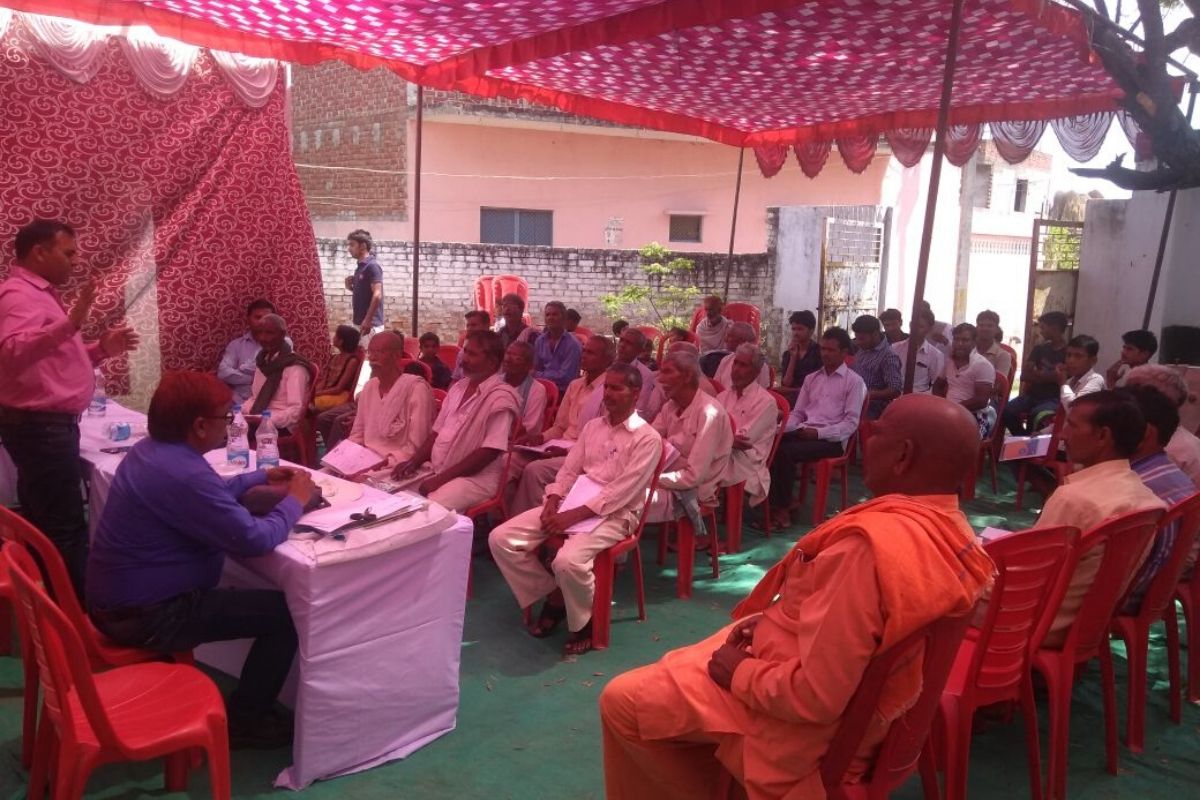
Sustainable Farming Practices in Cultivation of Aromatic Crops in India
Sustainable farming is shaping the future of India’s aromatic crops. Through crop rotation, organic fertilizers, pest management, and water conservation, farmers can boost essential oil yield while protecting nature. At Yathaavat Solutions, we blend traditional wisdom with science to deliver pure, natural, and traceable oils with sustainable impact.
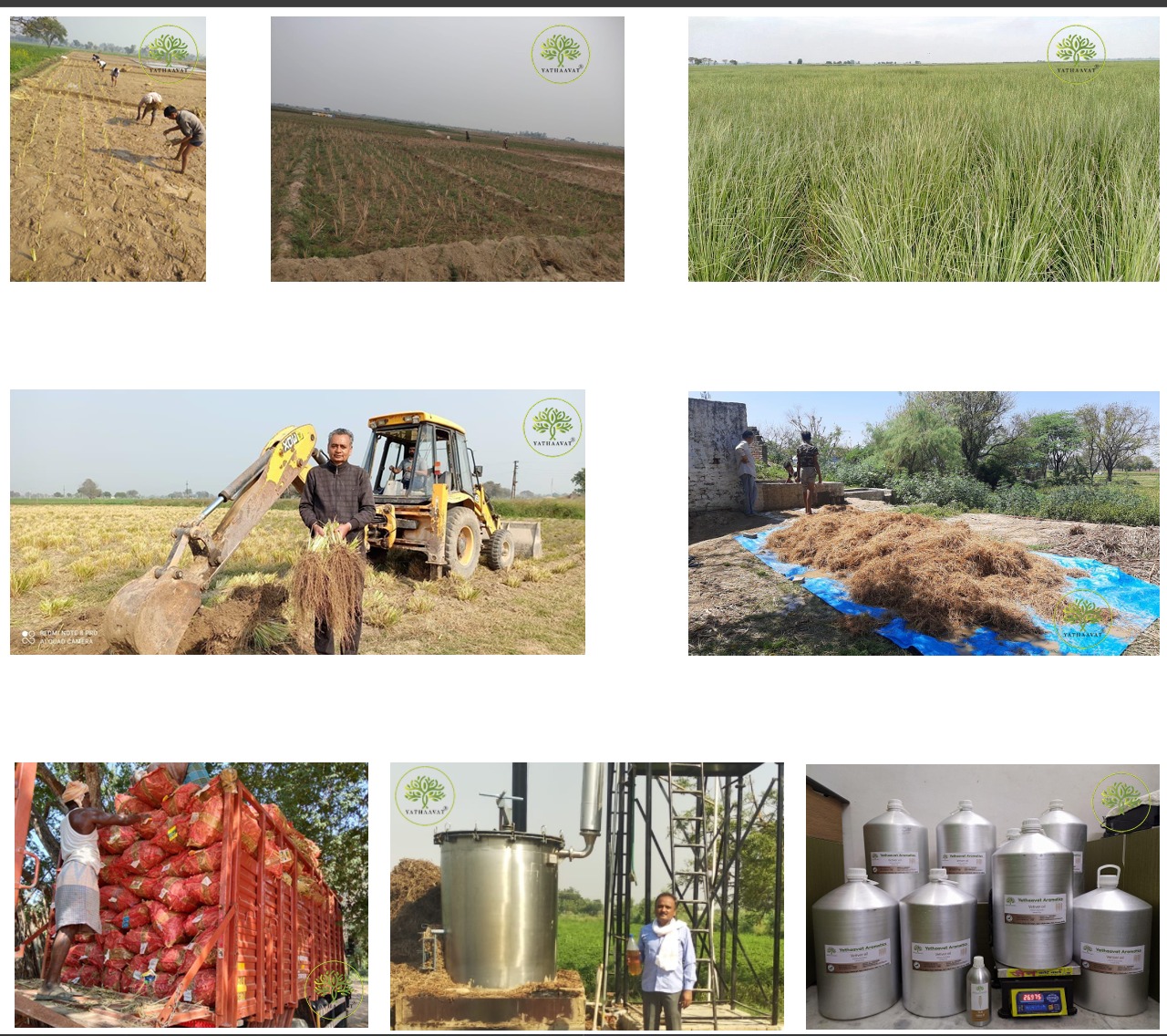
Vetiver Cultivation: Planting, Harvesting and Root Processing
Understand vetiver establishment, soil and drainage needs, root harvesting, cleaning, distillation and the economics of producing vetiver oil.
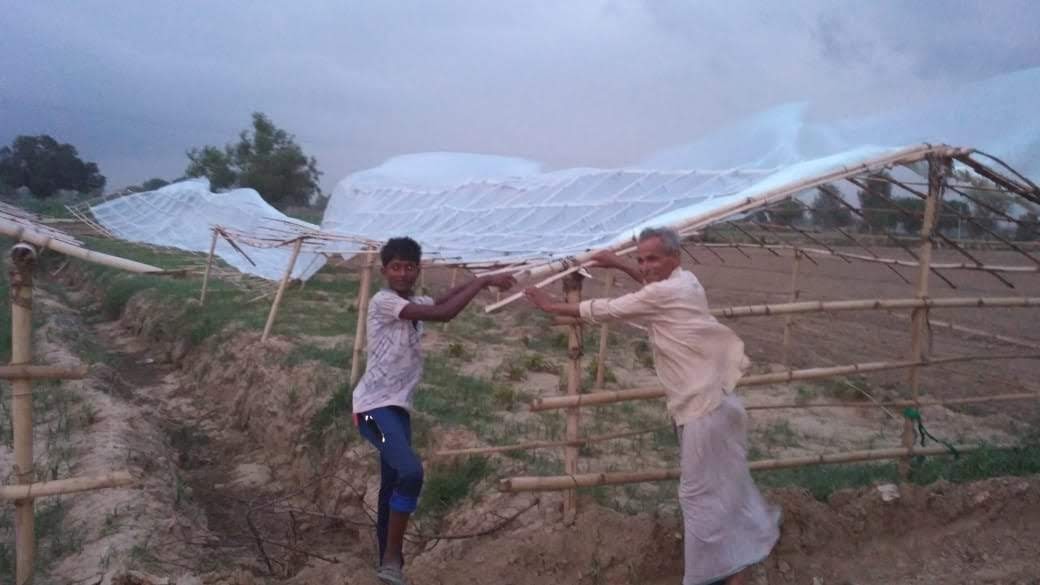
Most Profitable Aromatic Crops in India: A Comparative Guide
Compare aromatic crops in India using climate fit, cultivation costs, oil recovery, processing access, price risk and realistic profit scenarios.