Sustainable Farming Practices in Cultivation of Aromatic Crops in India
Sustainable farming is shaping the future of India’s aromatic crops. Through crop rotation, organic fertilizers, pest management, and water conservation, farmers can boost essential oil yield while protecting nature. At Yathaavat Solutions, we blend traditional wisdom with science to deliver pure, natural, and traceable oils with sustainable impact.
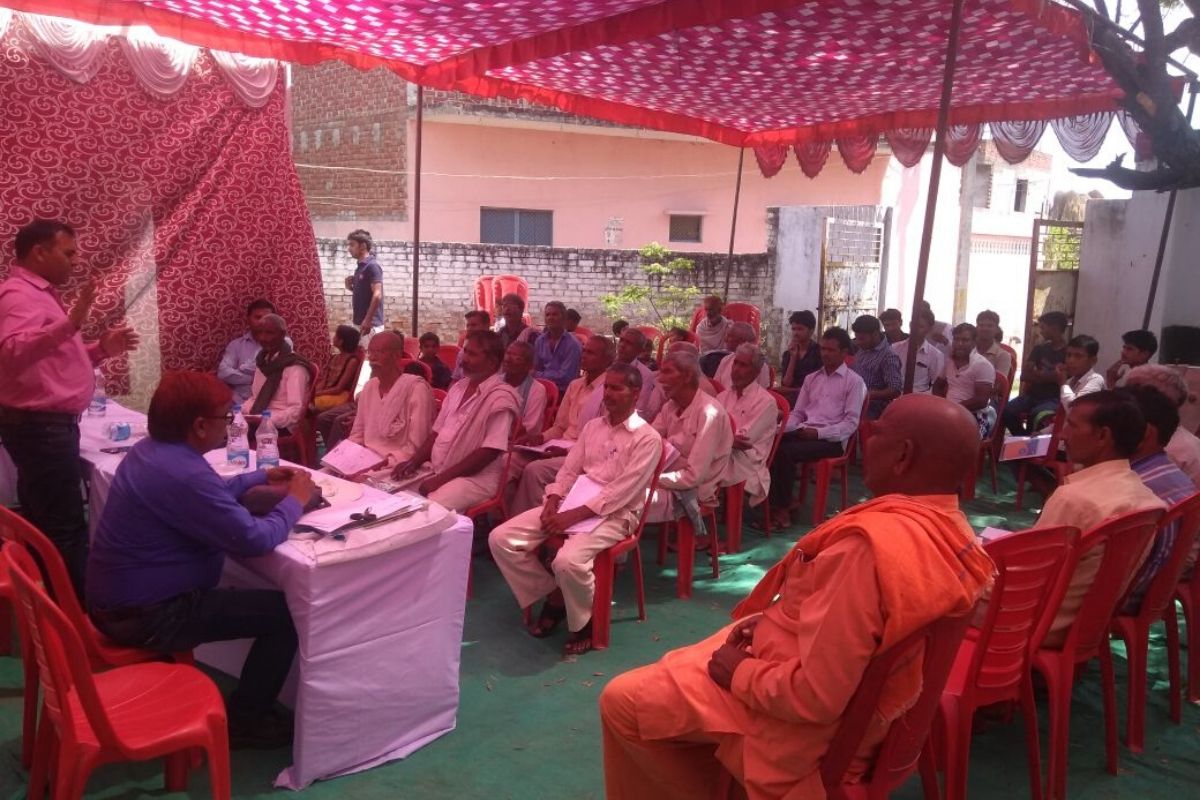

Aromatic crops such as lemongrass, vetiver, basil, citronella, mints, wild marigold and chamomile are the backbone of India’s essential oil industry. These crops not only enrich the fragrance and flavor sector but also provide livelihood to thousands of farmers. However, with changing climate, unpredictable rains, and growing global demand, the focus has shifted to sustainable farming practices.
At Yathaavat Solutions, we believe sustainable farming is not just an agricultural practice—it is a promise to farmers, buyers, and the planet. By combining traditional wisdom with modern science, our farmer clusters are creating a resilient model of cultivation that ensures **purity, and naturality **of every drop of essential oil.
Key Sustainable Practices for Aromatic Crop Cultivation
1. Crop Rotation for Soil Health
Continuous cultivation of the same crop depletes soil nutrients and invites pests. By rotating aromatic crops with legumes, oilseeds, or pulses, farmers maintain soil fertility and break pest cycles. This improves essential oil yield per acre and ensures long-term soil sustainability.
2. Organic Fertilizers for Fertility
Instead of synthetic fertilizers, farmers use organic manures, bio-compost, and OMRI-listed bio-fertilizers. These inputs improve soil microbial activity, boost plant health, and protect the environment. The result is residue-free essential oils, meeting the growing global demand for natural and certified products.
3. Integrated Pest Management (IPM)
Chemical pesticides damage crops, soil, and consumer trust. At Yathaavat, we encourage IPM methods such as neem oil sprays, and natural predators. These reduce reliance on chemicals while keeping pests under control, ensuring crops stay healthy and sustainable.
4. Water Conservation in Cultivation & Distillation
Aromatic crops are water-intensive. Few farmer clusters have adopted drip irrigation, mulching, and rainwater harvesting to reduce water use during cultivation. Even in distillation, condensate water recycling ensures lower water consumption per kilogram of essential oil produced—saving resources while maintaining efficiency.
5. Blending Tradition with Science
India’s farmers carry centuries of traditional wisdom about planting cycles, soil care, and harvesting. At Yathaavat, we combine this with scientific innovations— like guidance from research labs & institutes, soil testing, and GC-MS quality checks—to maximize essential oil yield and quality. This tandem approach ensures both heritage and innovation thrive together.
Impact of Sustainable Farming
-
Farmers earn better incomes by producing premium-quality essential oils. \
-
Buyers and researchers gain access to traceable, pure, and natural oils. \
-
The environment benefits from reduced chemical usage and better soil and water conservation.
-
The essential oil industry strengthens its global reputation for sustainability and trust. \
Conclusion
Sustainable farming is not a choice—it is the future of India’s aromatic crops. By adopting eco-friendly practices, conserving water, and combining traditional knowledge with science, we can ensure higher yields, better quality, and stronger global competitiveness.
At Yathaavat Solutions, our mission is clear: to empower farmers, serve industries, and protect nature—from seed to soil, cultivation to distillation, farm to bottle.
Related Articles
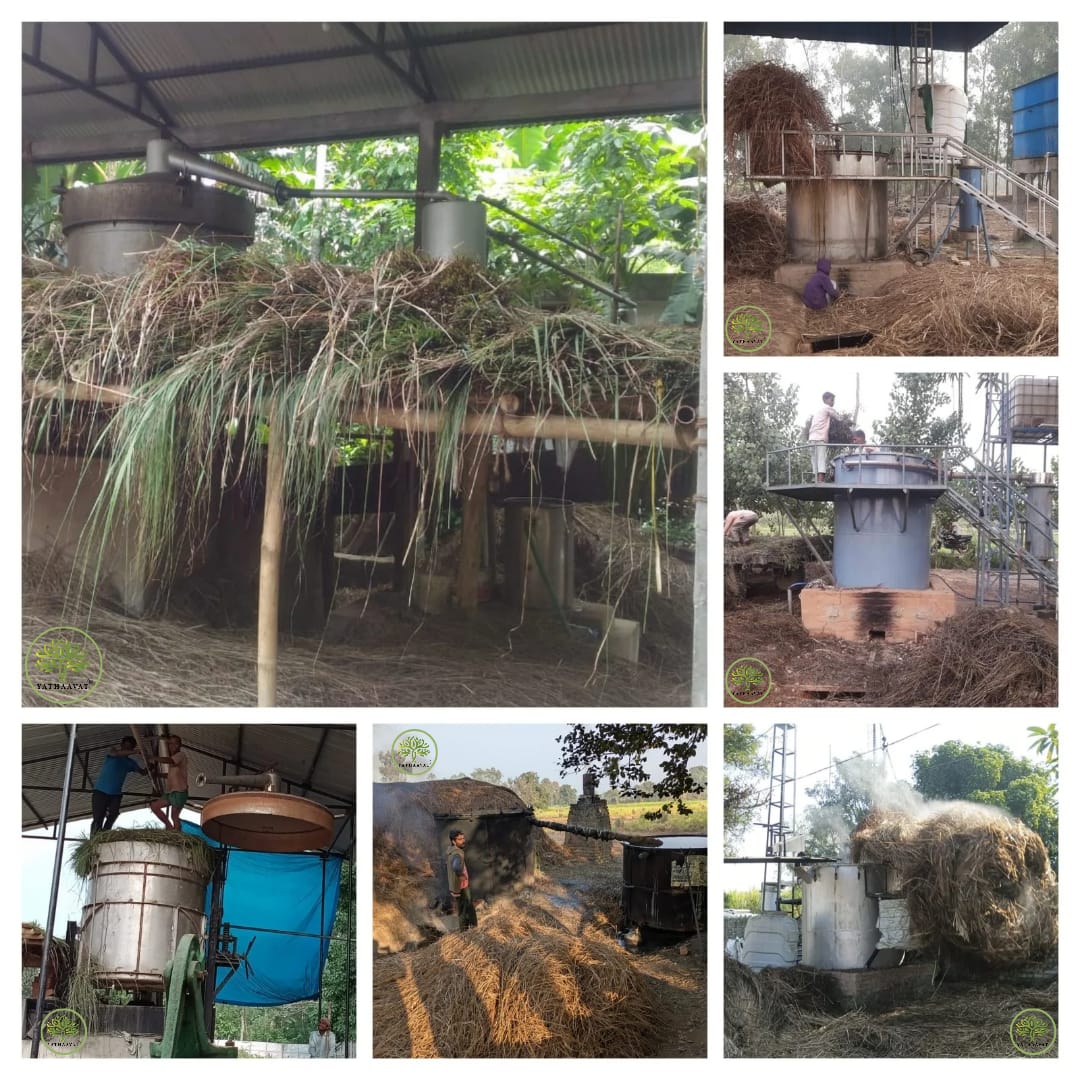
Lemongrass Farming in India: Cultivation, Costs and Yield
Learn how to plan lemongrass cultivation in India, from soil and planting to harvest, distillation, costs and oil-yield uncertainty.
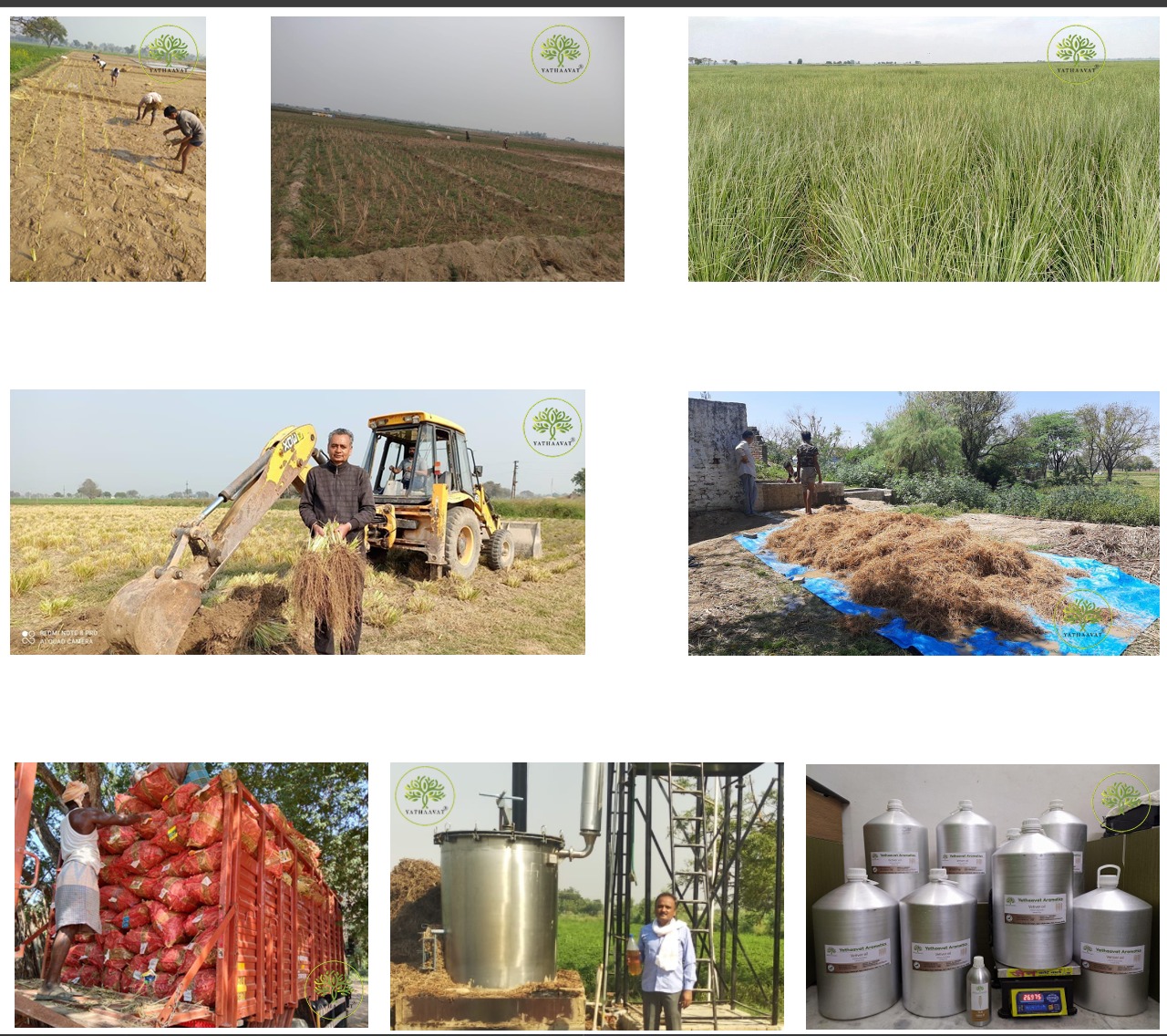
Vetiver Cultivation: Planting, Harvesting and Root Processing
Understand vetiver establishment, soil and drainage needs, root harvesting, cleaning, distillation and the economics of producing vetiver oil.
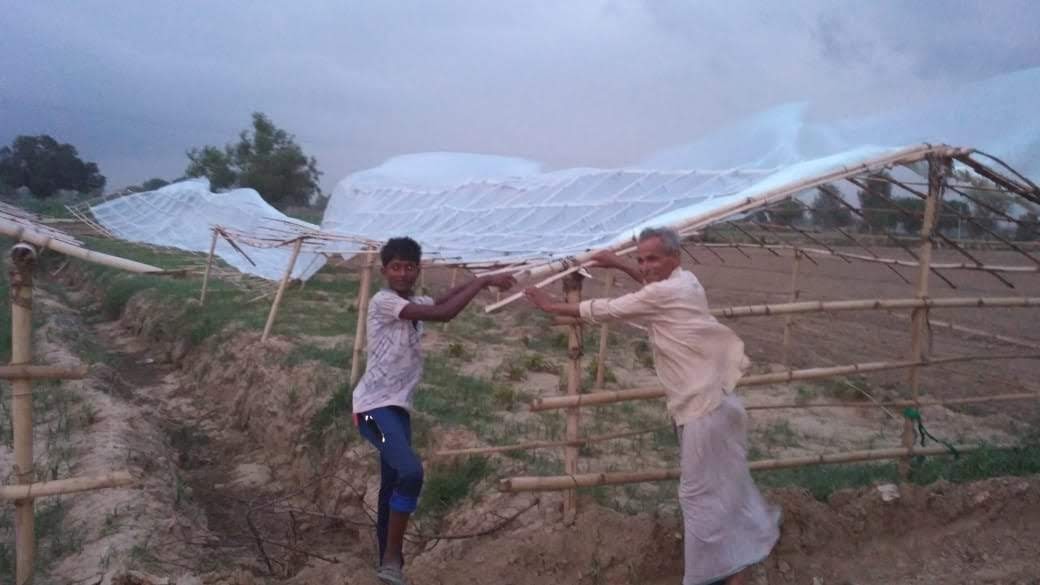
Most Profitable Aromatic Crops in India: A Comparative Guide
Compare aromatic crops in India using climate fit, cultivation costs, oil recovery, processing access, price risk and realistic profit scenarios.